

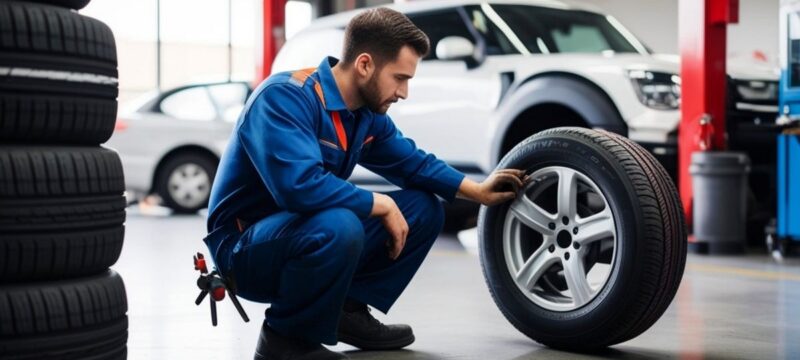
Tire issues can escalate quickly, especially when ignored for too long. What begins as a small vibration or a slight pressure change can turn into a dangerous situation on the highway. Blowouts are far more common than most drivers realize, and many occur because the warning signs were overlooked. Understanding what your tires are telling you can prevent costly repairs and reduce roadside emergencies. If you rely on your vehicle for your daily commute or family travel, staying aware of early tire problems is essential for safety and peace of mind. Whether you drive short city routes or long stretches of highway, tire maintenance should be a priority and not an afterthought. If you’re looking for auto repair in Alexandria, VA, keeping your tires in reliable condition is one of the simplest ways to protect yourself and your vehicle.
Below are the top signs your tires need immediate attention before a blowout happens.
1. Low Tire Pressure That Keeps Returning
If you refill your tires often but the pressure drops again within a few days, you may have a slow leak. This could come from a nail, valve stem damage, or sidewall deterioration. Persistent low pressure forces the tire to flex more than it should, generating heat and weakening its structure—one of the leading causes of blowouts.
2. Uneven Wear Patterns
Uneven wear is a strong indicator of alignment problems, suspension issues, or improper inflation. You may notice bald spots, one side wearing faster than the other, or a noticeable ripple across the tread. Any uneven pattern reduces traction and increases the risk of sudden tire failure, especially at higher speeds or during heavy braking.
3. Bulges or Bubbles on the Sidewall
A bubble in the sidewall signals internal damage—usually caused by hitting a pothole, curb, or road debris. This weakens the tire’s internal layers, creating a soft spot that can burst without warning. Sidewall damage is not repairable, and driving on a tire with a bubble puts you at immediate risk.
4. Vibrations or Thumping While Driving
A noticeable vibration coming from your steering wheel or floorboard may mean the tire is out of balance, damaged, or separating internally. Sometimes vibrations originate from other components, but tire-related vibrations often worsen with speed. A thumping sound suggests a flat spot or internal separation, both of which require quick attention.
5. Cracks in the Rubber
Over time, tires naturally age and the rubber begins to dry out. Cracks along the tread or sidewall reduce the tire’s flexibility and strength. Heat, UV exposure, and underinflation accelerate this aging. Even small cracks can turn into major failures under high pressure, especially in warmer months.
6. Objects Stuck in the Tread
Nails, screws, and debris commonly end up embedded in tires. Even if the tire appears to be holding air, the object can shift or cause internal tearing over time. Driving with any embedded object increases the risk of sudden pressure loss. A trained technician can determine whether the tire is repairable or needs full replacement.
7. Tires Older Than Six Years
Even if your tires look fine on the surface, age alone can compromise their integrity. Rubber compounds break down internally, and older tires become more prone to separation and blowouts. Checking the manufacturing date on the sidewall helps you determine whether your tires have reached the end of their safe lifespan.
Catching the signs of tire trouble early can prevent sudden blowouts, steering issues, and costly repairs down the road. Tires play a crucial role in your vehicle’s stability, braking, and handling, so keeping them in dependable condition should always be a priority. If any of these warning signs sound familiar, it’s time for a professional inspection to ensure your safety and protect your vehicle from further damage. When you need reliable service from experts who understand the importance of road-ready tires, Pinecrest Shell & Auto Repair is ready to help. For trusted auto repair in Alexandria, VA, schedule your visit today and stay confident every time you hit the road.
Leave a Comment