

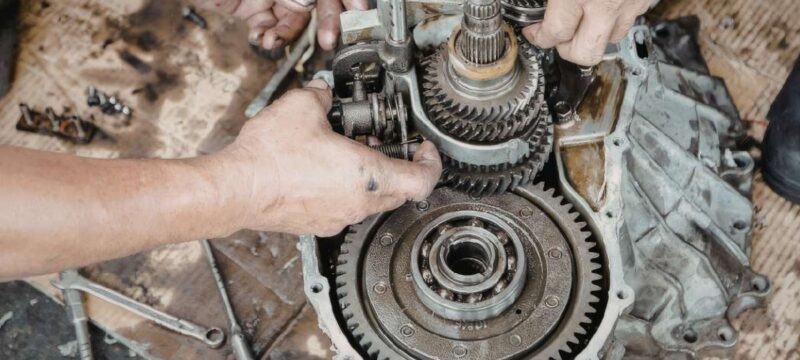
If you drive through Alexandria daily, whether you’re navigating Route 1 traffic, commuting via I-395, or making frequent stops in Old Town, you rely heavily on your vehicle’s transmission. Stop-and-go congestion, sudden braking, and constant gear shifting can take a toll on even the most dependable car. When your transmission starts slipping, hesitating, or making strange noises, it’s not just inconvenient; it can quickly become a major safety and financial concern.
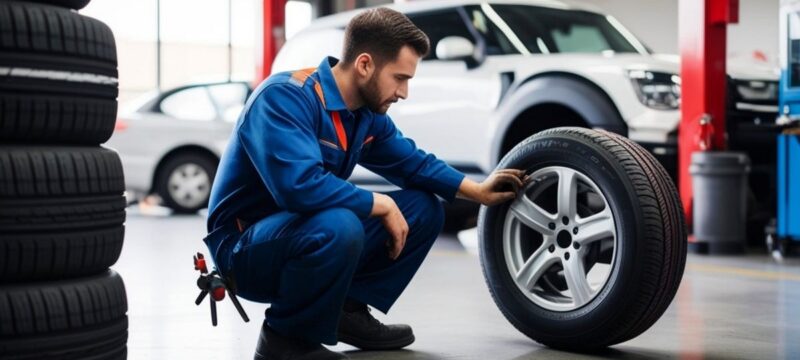
Top 7 Signs You Need Tire Repair ASAP (Before a Blowout Happens)
Tire issues can escalate quickly, especially when ignored for too long. What begins as a small vibration or a slight pressure change can turn into a dangerous situation on the highway. Blowouts are far more common than most drivers realize, and many occur because the warning signs were overlooked. Understanding what your tires are telling you can prevent costly repairs and reduce roadside emergencies. If you rely on your vehicle for your daily commute or family travel, staying aware of early tire problems is essential for safety and peace of mind. Whether you drive short city routes or long stretches of highway, tire maintenance should be a priority and not an afterthought. If you’re looking for auto repair in Alexandria, VA, keeping your tires in reliable condition is one of the simplest ways to protect yourself and your vehicle.
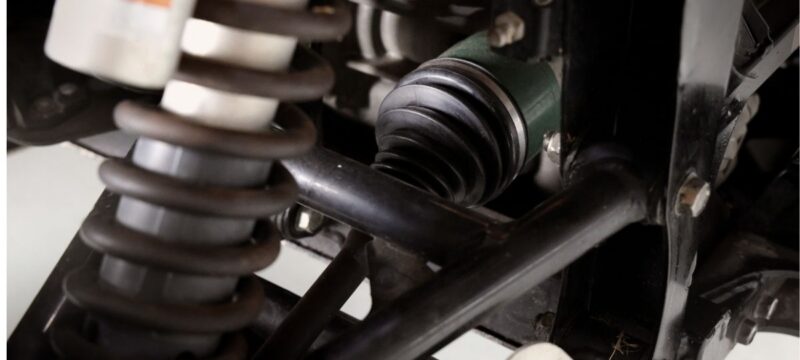
Is Your Car Pulling to One Side? What It Means for Your Steering and Suspension
A vehicle that keeps drifting left or right is more than just a driving annoyance; it’s a sign that something in the steering or suspension system isn’t functioning as it should. Many drivers brush off this issue, adjusting their steering to compensate. Over time, though, that small pull can place stress on your tires, reduce handling control, and create unsafe conditions, especially at highway speeds. Knowing what causes this behavior helps you protect your vehicle, your budget, and your safety.

10 Signs Your Car Needs Exhaust Repair Before It Costs You More
Your car’s exhaust system plays a critical role in performance, fuel efficiency, and safety. It channels harmful gases away from the engine and cabin, helping your vehicle run smoothly while reducing emissions. When the system begins to fail, small issues can quickly become expensive repairs or even safety hazards. Recognizing the early warning signs can save you money and protect your health.

Manual vs. Automatic Transmission Repairs: Which Is More Expensive?
Few vehicle repairs create as much concern for drivers as transmission problems. The transmission is the link between your engine and your wheels, and when it fails, the cost and downtime can feel overwhelming. One of the most common questions drivers ask is whether manual or automatic transmission repairs are more expensive. The answer depends on design, technology, driving habits, and how problems develop over time.

Why Your Car Might Be Begging for an Oil Change (And You Don’t Know It)
It’s easy to overlook an oil change, especially when your car isn’t flashing warning lights or making strange noises. Many drivers assume that if the engine is running smoothly, everything must be fine. The truth is, your vehicle could be silently suffering. Oil is the lifeblood of your engine, and when it’s old, dirty, or low, the consequences can be serious and expensive.
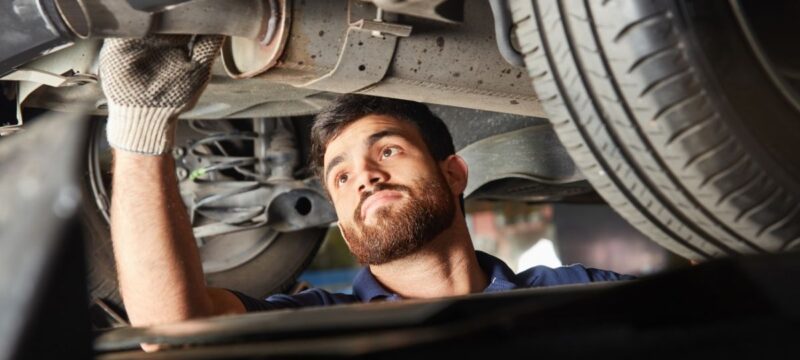
Is That Rumble Normal? When a Loud Car Means Exhaust Trouble
A loud rumble from your car isn’t always something to ignore. While some vehicles are built to have a more aggressive growl, an unexpected change in how your car sounds could be a red flag, especially if it gets louder over time. Many drivers notice their car becoming more vocal and assume it’s just age or road wear, but these sounds can point to issues in your exhaust system. Ignoring the noise might not only lead to further damage but also pose safety risks, decrease fuel efficiency, and even land you with a failed emissions test.

Is Your Car Engine Overheating? Here’s What You Should Do
A car engine can overheat for several reasons, and knowing the root cause helps prevent long-term damage. Low coolant levels, a malfunctioning thermostat, or a failing radiator can all contribute to excessive heat buildup. A broken water pump, a clogged cooling system, or a damaged fan can also reduce cooling efficiency. Ignoring these issues can lead to costly repairs or even complete engine failure.
Warning Signs of an Overheating Engine
Recognizing the early warning signs can help prevent serious damage. If your temperature gauge rises above normal, that’s a clear indicator. Steam from under the hood, an unusual smell like burning oil or coolant, and a loss of engine power are also red flags. If you experience any of these signs, acting quickly can prevent further issues.
What to Do If Your Engine Overheats
If you notice your engine temperature climbing, follow these steps to avoid damage:
- Turn Off the A/C and Turn On the Heater – The air conditioning puts extra strain on the engine, while the heater can help pull heat away.
- Pull Over Safely – If the temperature continues rising, find a safe spot to stop and turn off the engine.
- Let the Engine Cool – Do not attempt to open the hood immediately, as the coolant system is under pressure and can cause burns.
- Check Coolant Levels – If safe to do so, check the coolant reservoir. If levels are low, adding coolant may help, but this is only a temporary fix.
- Inspect for Leaks – Look for visible coolant leaks under the vehicle.
- Call for Assistance – If the problem persists, a professional inspection is necessary to prevent serious engine damage.
Common Mistakes to Avoid
When faced with an overheating engine, some actions can make things worse. Avoid these mistakes:
- Never Remove the Radiator Cap While Hot – Doing so can cause coolant to spray out under pressure, leading to burns.
- Don’t Keep Driving – Even if the engine is running, continued operation can result in irreversible damage.
- Avoid Pouring Cold Water on the Engine – A sudden temperature change can crack engine components.
Preventative Maintenance to Avoid Overheating
Routine maintenance is key to preventing overheating. Regularly checking and refilling coolant levels, inspecting the radiator for leaks, and ensuring the thermostat functions properly can help. Replacing worn belts and hoses and keeping the radiator clean also contribute to a healthy cooling system. A professional mechanic can inspect these components to catch potential problems early.
When to Seek Professional Help
If overheating happens frequently or if you notice coolant leaks, a malfunctioning radiator, or a faulty water pump, it’s time for professional service. Continuing to drive an overheating engine can lead to costly damage, including a blown head gasket or warped engine parts. Finding an expert in engine repair near Lincolnia, VA ensures your vehicle is in safe hands.
An overheating engine is more than an inconvenience. It’s a serious issue that requires immediate attention. Understanding the causes, recognizing the warning signs, and taking the right steps can prevent major engine damage. Regular maintenance plays a crucial role in keeping your vehicle safe and reliable. If you’re experiencing overheating problems, trust Pinecrest Shell & Auto Repair for expert diagnostics and repairs. For engine repair near Lincolnia, VA, schedule a service today to keep your vehicle running smoothly.
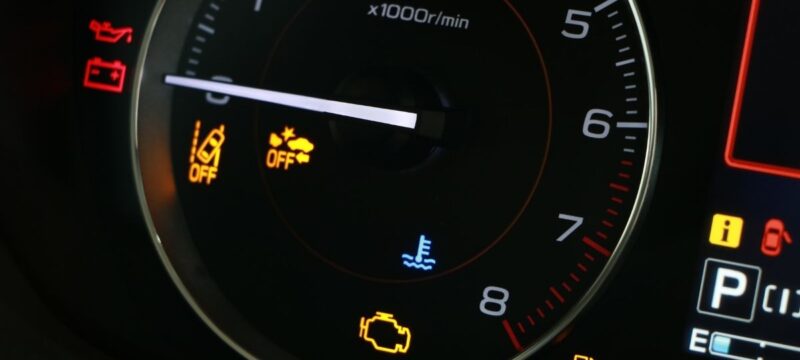
Can You Still Drive with the Check Engine Light On?
The check engine light is a built-in warning system that alerts you when your vehicle’s onboard diagnostics detect an issue. It can indicate something as minor as a loose gas cap or as serious as engine misfires. The light is typically yellow or orange, signaling that your vehicle needs attention. Ignoring it could lead to costly repairs and lower fuel efficiency.

How Extreme Temperatures Affect Your Car’s Belts and Hoses
Your car endures countless challenges on the road, but few are as relentless as extreme temperatures. Whether it’s the sweltering heat of summer or the biting cold of winter, the weather can take a toll on essential components like belts and hoses. These parts may seem small, but they play a big role in keeping your vehicle running smoothly. Without proper care, the strain from temperature fluctuations could lead to inconvenient breakdowns and costly repairs. Understanding how heat and cold affect these vital components is the first step to safeguarding your car.